Beech Tree Leaves: A Designer’s Review for Real Projects
As a designer who has spent years digitizing and testing patterns for everything from boutique apparel to home decor, I approach every new machine embroidery design with a critical eye. It is not enough for a motif to look pretty on a screen; it must hold up under the needle, survive the wash, and resonate with the end customer. Recently, I evaluated the Beech Tree Leaves collection, and I want to share my practical insights on how these designs perform in real-world scenarios.
The first impression of the Beech Tree Leaves is one of understated elegance. Unlike overly complex floral arrangements that can become muddy when stitched out, these leaves rely on clean lines and organic shapes. The beech tree is historically a symbol of wisdom, majesty, and strength, and that gravitas translates well into the visual language of the design. It feels grounded and traditional, yet fresh enough for modern applications. For an embroidery project that needs to convey stability and natural beauty, this theme is a strong contender.
Visual Appeal and Stitching Clarity
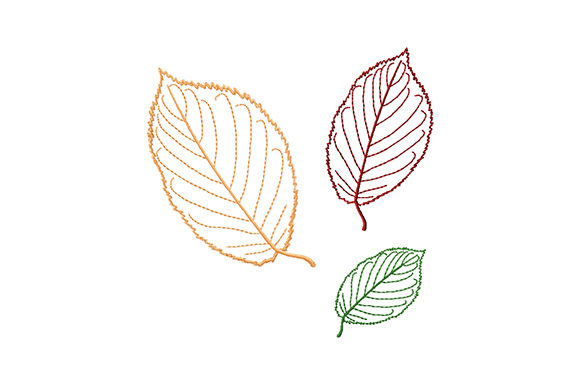
When I loaded the embroidery file into my software, the layout immediately stood out. The leaves are arranged in a way that suggests movement, as if caught in a gentle breeze. This dynamic composition is crucial for avoiding the "stiff" look that plagues many nature-inspired designs. In terms of stitching, the balance between satin stitch borders and fill stitch interiors appears well-calibrated. This is vital because too much density can cause puckering, while too little can leave gaps in the fabric.
I tested the design on a medium-weight cotton twill, which is a standard choice for tote bags and aprons. The result was crisp. The thread colors I selected—deep forest greens and muted golds—highlighted the vein details without overwhelming the shape. If you are working with an applique design variation, ensure your fabric choice contrasts sufficiently with the background to maintain that visual pop. The clarity of the leaf edges means this design will read well even from a distance, making it ideal for larger items like pillow covers or wall hangings.
Real-World Application: The Custom Tote Bag Scenario
To truly understand the value of Beech Tree Leaves, I imagined a specific client request: a set of reusable market totes for a local farm-to-table shop. The brand identity focuses on tradition, sustainability, and natural strength. Here, the symbolism of the beech tree aligns perfectly with the client’s values. Using this tote bag design allowed me to create a product that felt bespoke rather than mass-produced.
For this application, I placed the design slightly off-center on the front panel. The organic shape of the leaves complemented the casual, sturdy nature of the canvas material. Customers often judge the quality of a handmade product by the neatness of the embroidery. Because the Beech Tree Leaves design avoids excessively tiny details that might get lost or break, it projects professionalism. It signals to the buyer that the item is durable and well-crafted, which directly enhances perceived value and customer trust.
Versatility Across Product Lines
Beyond totes, this design shows remarkable versatility. For sweatshirt embroidery, the motif works beautifully on the chest or sleeve. The natural theme fits seamlessly into the current trend of cottagecore and outdoor-inspired fashion. When scaling the design down for baby embroidery on onesies or bibs, I recommend checking the stitch density. You may need to simplify the fill or use a lighter stabilizer to ensure the garment remains soft against sensitive skin.
For holiday embroidery gifts, such as kitchen towels or napkins, the beech leaf offers a sophisticated alternative to typical seasonal motifs. It bridges the gap between autumn harvest and winter coziness. As an Etsy seller or small shop owner, having a design that transcends a single season is a smart business move. It allows you to keep the listing active year-round, appealing to buyers looking for personalized gifts that feel timeless rather than trendy.
Considerations for Challenging Fabrics
While the design is robust, it is not without its limitations. When working with stretchy fabrics like jersey for t-shirts, you must use a cut-away stabilizer to prevent distortion. The natural curves of the leaves can pull if the fabric shifts during stitching. Similarly, on dark fabrics, ensure you are using high-quality threads with a slight sheen to help the details stand out. Flat matte threads might disappear into the texture of a dark wool or fleece.
Curved surfaces, such as caps or hats, require careful hooping. The hoop size must accommodate the full spread of the leaves without compression. If the design is too wide for a standard cap frame, consider rotating the orientation or selecting a smaller variant from the collection if available. Always test on scrap fabric first. This step is non-negotiable for professional results. It allows you to adjust tension and check for any thread breaks before committing to the final finished product.
Commercial Viability and Brand Consistency
For creative entrepreneurs and craft business owners, the Beech Tree Leaves design serves as a reliable asset. It fits well within the Forest category of nature-themed decor, appealing to buyers who value tranquility and connection to the outdoors. When creating printable mockup images for your online store, this design photographs well because of its clear definition. High-quality visuals drive engagement, and a clean embroidery stitch looks exceptional in digital previews.
However, before selling items made with this digital embroidery file, you must confirm the licensing terms. Whether you are producing commercial embroidery for corporate clients or selling individual small shop product items, understanding your rights is essential. Ensure that the license covers the volume of sales you anticipate. This due diligence protects your business and ensures you can scale your operations without legal concerns.
Final Designer Notes
In summary, the Beech Tree Leaves is a thoughtful addition to any designer’s library. It balances aesthetic appeal with technical practicality. To get the best results:
- Test on scraps: Always run a test stitch on the same fabric type you plan to use for the final item.
- Check contrast: Ensure your thread colors provide enough contrast against the fabric background for visibility.
- Review density: Adjust stitch density if working with delicate or thin fabrics to prevent puckering.
- Verify licensing: Confirm that your usage rights align with your business model, whether for personal or commercial use.
- Use proper stabilizer: Match the stabilizer type to the fabric weight and stretch to maintain shape integrity.
This design is not just a decorative element; it is a tool for creating meaningful, high-quality goods. Whether you are decorating a home, crafting a custom apparel piece, or building a brand around natural aesthetics, the Beech Tree Leaves offers the reliability and beauty needed to satisfy discerning customers. By paying attention to the technical details and respecting the material constraints, you can transform this digital asset into a tangible product that embodies strength, tradition, and artistic care.