Noel Tree: A Designer’s Holiday Review
As an embroidery designer who spends the late summer and early autumn months planning for the busiest season of the year, I look at every new machine embroidery design with a critical eye. It is not just about whether the artwork looks pretty on a screen; it is about how it translates to fabric, how it appeals to a tired shopper looking for the perfect present, and how it performs under the needle. This year, I took a close look at the Noel Tree design, evaluating its potential for my upcoming seasonal collection. The goal was simple: determine if this piece could anchor a line of high-quality, festive products that stand out in a saturated market.
First Impressions and Seasonal Mood
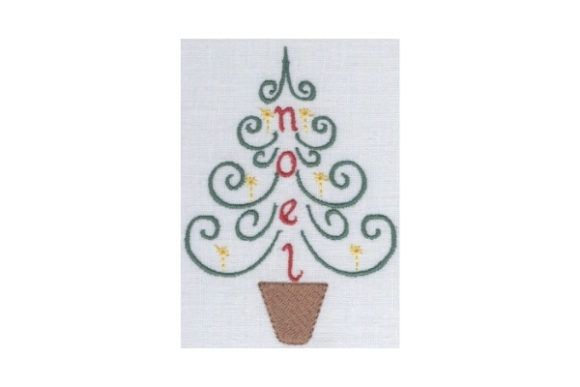
When I first opened the preview for Noel Tree, the immediate feeling was one of nostalgic warmth. In a world where holiday trends often swing between ultra-minimalist modernism and chaotic maximalism, this design strikes a balanced, classic tone. It feels cozy yet elegant, capturing the spiritual and romantic essence of the season without relying on clichés. The decorative style suggests a hand-drawn quality, which adds a layer of authenticity that digital buyers crave. For creators, this emotional resonance is vital. We are not just selling thread on fabric; we are selling the feeling of home, tradition, and celebration.
The detail level appears moderate, which is a significant advantage. Overly complex designs can become muddy when stitched out on textured materials, while overly simple ones can look cheap. Noel Tree seems to hit the sweet spot, offering enough intricacy to look premium but remaining clean enough to be readable from a distance. This versatility makes it a strong candidate for various applications, from small ornaments to larger home decor items.
Strategic Product Applications for Sellers
For Etsy sellers and small business owners, the true value of a design lies in its adaptability. I mentally mapped out how Noel Tree would perform across different product categories. Here is where I see the highest potential for conversion:
- Sweatshirt Embroidery: Placed on the left chest or as a larger back print, this design works beautifully on heavyweight fleece. The classic motif pairs well with neutral tones like cream, forest green, or charcoal, appealing to customers looking for comfortable, stylish holiday loungewear.
- Kitchen Towel Embroidery: Holiday hosting is huge, and embroidered linens are a staple gift. The design’s structure should hold up well on waffle weave or flour sack towels, adding a touch of handmade charm to the dining table.
- Tote Bag Design: Canvas totes are practical and popular. A centered Noel Tree creates a statement piece that shoppers can use for gift carrying or daily errands during the winter months.
- Pillow Cover Accents: For home decor, stitching this onto velvet or linen pillow covers adds texture and depth. It transforms a standard cushion into a seasonal accent piece that buyers can keep year after year.
- Embroidered Patch: Creating iron-on or sew-on patches allows for low-risk experimentation. Customers can buy the patch to customize their own jackets or bags, expanding your reach to DIY enthusiasts.
Beyond individual items, consider creating gift bundles. Pairing a personalized gift like a monogrammed towel with a Noel Tree ornament creates a higher perceived value. These bundles perform exceptionally well in craft fair displays and as featured items in social media previews.
Navigating Technical Challenges
While the aesthetic appeal is strong, a professional review must address the technical realities of production. There are specific scenarios where you must exercise caution with this design. First, consider the hoop size. If you are working with smaller hoops, ensure that the finest details of the tree do not become lost or merged. Always check the stitch map provided with the digital embroidery file to understand the sequence and density.
Stitch density is another critical factor. If the design is too dense for lightweight fabrics, it may cause puckering. Conversely, if it is too sparse for thick materials like terry cloth towels, the background fabric might show through uncomfortably. I recommend running test stitches on both light and dark fabrics. On dark fabrics, you may need to adjust your thread colors or use an underlay stitch to ensure the design pops without requiring excessive coverage that stiffens the garment.
Additionally, be mindful of stretchy garments. If applying Noel Tree to a knit sweater or a curved cap, proper stabilization is non-negotiable. Use a cut-away stabilizer for stretchy fabrics to prevent distortion after washing. For items that will undergo repeated laundering, such as kitchen towels or children’s clothing, secure your bobbin threads well and consider using polyester threads for their durability and colorfastness.
Enhancing Brand Value and Customer Trust
In the competitive landscape of commercial embroidery, consistency builds trust. Using a cohesive design like Noel Tree across your product line helps establish brand recognition. When a customer sees the same high-quality motif on a tote bag, a pillow, and a sweatshirt, they perceive your shop as professional and curated. This visual consistency increases engagement during the holiday shopping period, as buyers feel confident in the quality of your work.
Furthermore, the "giftability" of a product is heavily influenced by its presentation. Create realistic mockups that show the texture of the stitches. A high-quality printable mockup or a photo of the actual stitched sample can significantly boost conversion rates. Show the design in context: on a wrapped gift, hanging on a tree, or worn by a model in a cozy setting. This helps the buyer visualize the finished product in their own life, triggering an emotional response that drives sales.
Practical Notes for the Embroidery Professional
Before you launch your seasonal campaign, take these practical steps to ensure success with Noel Tree:
- Verify File Formats: The product description mentions multiple embroidery file formats. Confirm that you have the correct format for your specific machine (e.g., PES, DST, JEF) before starting production.
- Check Licensing: Always confirm commercial licensing terms. Ensure you are authorized to sell finished products made with this design, especially if you are scaling up for high-volume sales.
- Test Thread Palettes: Plan matching color palettes in advance. Traditional reds and greens work, but consider modern twists like gold and navy, or soft pastels for a baby-friendly collection.
- Inspect Small Details: After stitching your first sample, review the smallest elements. Are the tips of the branches sharp? Is the text legible? Make adjustments to tension or stabilizer if necessary.
- Fabric Texture Matters: Remember that fabric texture changes the look of the design. A smooth cotton will yield a crisp result, while a rustic linen will give a more organic, vintage feel. Choose your base material to match the mood you want to convey.
In conclusion, Noel Tree offers a versatile and emotionally resonant option for holiday creators. By understanding its technical requirements and leveraging its aesthetic strengths, you can create a compelling range of products that delight customers and drive sales. Whether you are an experienced Etsy seller or a newcomer to seasonal embroidery, this design provides a solid foundation for a successful holiday collection. Take the time to test, refine, and present it well, and it will likely become a staple in your seasonal offerings.