Rice Cooker Embroidery: A Designer’s Practical Review
As a designer who spends more time staring at stitch maps than actual finished garments, I have learned to look past the glossy preview images. When I first loaded the Rice Cooker machine embroidery design into my software, my initial reaction was one of cautious optimism. It is a charming, domestic motif that fits squarely into the popular Kitchen category, but charm alone does not make a design viable for commercial use. I needed to know if it would hold up under the needle, how it would translate to different fabrics, and whether it offered enough visual interest to justify the thread count in a real-world embroidery project.
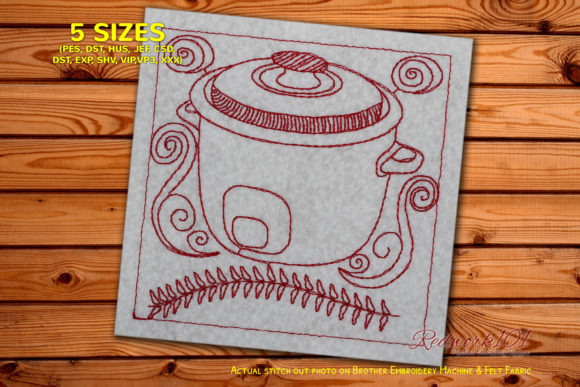
The design features a stylized representation of a rice cooker, complete with an optional Box Stitch border. This optionality is a crucial detail for any serious Etsy seller or craft business owner. The ability to skip the outer box color allows for greater versatility, letting the design breathe on busy backgrounds or stand out starkly against solid colors. In my evaluation, I treated this not just as a digital file, but as a component of a future handmade product. I imagined it stitched onto a linen apron for a housewarming gift, or perhaps as a playful accent on a canvas tote bag for a culinary student. The mood it creates is warm, functional, and slightly nostalgic, appealing to customers who value home cooking and personalized kitchenware.
Visual Appeal and Layout Analysis
The layout of the Rice Cooker design is compact and balanced. For embroidery designers, balance is everything. If a design is too heavy on one side, it pulls the fabric; if it is too sparse, it looks cheap. This design strikes a nice middle ground. The shapes are clean, avoiding overly complex curves that often result in jagged edges or thread breaks during high-speed stitching. The visual personality is friendly and approachable, making it an excellent candidate for personalized gifts and boutique branding.
When considering the thread colors, the design relies on contrast to define its features. Since the outer box is a separate color layer, you have control over the definition. I found that using a contrasting thread for the box helped frame the appliance nicely, while skipping it allowed the rice cooker icon to float more freely. This flexibility is vital when working with custom apparel where the base garment color might clash with a predefined border. For instance, on a navy blue sweatshirt, a white or light gray box might look crisp, but on a pastel baby onesie, removing the box entirely might prevent the design from looking too rigid or boxed-in.
Real-World Application and Fabric Performance
To truly test the viability of this embroidery file, I considered how it would perform on various textiles. The Kitchen category often implies usage on items like tea towels, aprons, and pot holders. These items are typically made from cotton or linen, which are ideal for embroidery because they are stable and do not stretch excessively. On a sturdy cotton apron, the Rice Cooker design would likely stitch out cleanly, with the fill stitch areas laying flat and the outlines remaining sharp.
However, challenges arise when moving to textured or stretchy fabrics. If you plan to use this design on a tote bag design made from canvas, the density of the stitches needs to be sufficient to cover the weave of the fabric. If the stitch density is too low, the fabric texture will show through, ruining the solid appearance of the rice cooker body. Conversely, on a thin, stretchy t-shirt, high density can cause puckering. In such cases, using a proper stabilizer is non-negotiable. I would recommend a cut-away stabilizer for garments that will be washed frequently, ensuring the design maintains its shape over time.
For baby embroidery projects, such as bibs or burp cloths, softness is paramount. While the design itself is cute and appropriate for a nursery theme, you must ensure that the back of the stitching does not irritate sensitive skin. Using a soft backing or covering the back with a fusible interfacing can mitigate this issue. Additionally, for holiday embroidery gifts, this design could be paired with seasonal elements, though as it stands, it is a year-round motif suitable for everyday kitchen decor.
Technical Considerations for Professional Results
One of the most important aspects of reviewing a digital embroidery file is understanding its technical constraints. The product description notes that the Box Stitch is optional and that the outer box color differs in most designs unless it is part of the design itself. This suggests that the file is layered, allowing for color stops. As a designer, I always advise checking the stitch sequence in your software before hitting "start." Ensure that the color changes are logical and that there are no unnecessary jumps that could lead to thread nests on the back of your finished product.
Small details can make or break a design. In the Rice Cooker motif, pay close attention to any tiny lettering or intricate corners. If the design includes small text or fine lines, they may not stitch out clearly on textured fabrics like terry cloth or fleece. In these cases, increasing the size of the design within your hoop size limits can help improve clarity. Always test the design on scrap fabric first. This simple step saves hours of frustration and wasted materials. Check the tension, inspect the small details, and verify that the satin stitch borders are smooth and free of gaps.
For those creating an embroidered patch, this design would work well if backed with a sturdy material and finished with a merrowed edge. Patches are a growing trend in the small shop product market, and a kitchen-themed patch could appeal to chefs, foodies, or catering staff. When adapting the design for a patch, ensure that the edges are dense enough to support the cutting process without fraying.
Commercial Viability and Brand Consistency
From a business perspective, the Rice Cooker design offers good potential for commercial embroidery applications. It is specific enough to be recognizable but generic enough to appeal to a broad audience. For design assets used in printable mockup previews, the clean lines of the design will render well, helping customers visualize the final item. This visual clarity builds customer trust and enhances the perceived value of your craft business offerings.
However, always confirm licensing before selling finished items or digital products. While many designs allow for commercial use of finished goods, some restrict the resale of the digital file itself. As an experienced reviewer, I cannot stress enough the importance of reading the license agreement included with your purchase. Assuming permissions can lead to legal issues down the line. If the license permits, this design could be a valuable addition to a collection of kitchen-themed design assets, complementing other appliances or cooking motifs.
In terms of buyer engagement, unique and well-executed designs stand out in crowded marketplaces. A high-quality sweatshirt embroidery featuring this rice cooker could become a signature item for a brand focused on home comforts. The key is consistency. If you use this design on multiple products, ensure that the thread colors align with your brand palette. Consistent presentation across your Etsy listings and social media channels helps build brand recognition and loyalty.
Final Verdict and Designer Notes
The Rice Cooker embroidery design is a solid choice for designers looking to add a touch of whimsy to their kitchen-themed collections. Its optional border provides flexibility, and its clean layout ensures good stitch-out quality on stable fabrics. However, success depends on proper preparation. Always test on scrap fabric, choose the right stabilizer for your material, and adjust thread colors to maximize contrast and visibility.
For hobbyists and makers, this design offers a fun project that is manageable yet rewarding. For professional designers and apparel decorators, it represents a versatile asset that can be adapted for various products, from aprons to patches. By paying attention to the technical details and understanding the nuances of fabric interaction, you can ensure that every handmade product you create with this design meets high standards of quality and professionalism. Remember, the difference between a good design and a great finished product lies in the execution. Take the time to refine your settings, and the Rice Cooker motif will serve you well in your creative endeavors.