Rabbit Teddy Bear: A Designer’s Review for Boutique Sweatshirts
As an embroidery designer who has spent years digitizing and testing patterns for small clothing brands, I approach every new machine embroidery design with a critical eye. It is not just about whether the image looks cute on a screen; it is about how those stitches will behave on heavy cotton fleece, how they hold up after fifty washes, and whether they elevate the perceived value of the garment. Recently, I had the opportunity to test the Rabbit Teddy Bear design for an upcoming limited drop in my boutique’s seasonal collection. Here is my honest evaluation of this pattern from a professional perspective, focusing on its application in real-world apparel production.
First Impressions: Mood and Stitch Personality
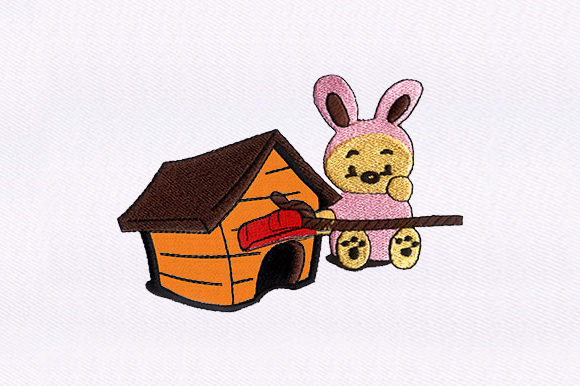
The first thing that strikes you about the Rabbit Teddy Bear is its charming duality. It blends the whimsical softness of a rabbit with the nostalgic comfort of a teddy bear, creating a motif that feels both playful and tender. For a boutique brand, this mood is invaluable. It does not scream "children's wear" exclusively; instead, it carries a gentle, feminine aesthetic that appeals to adults seeking cozy, comforting apparel. The layout is compact yet detailed, fitting perfectly within a 6×6 hoop size, which makes it versatile for various placements without overwhelming the fabric.
The stitch count, listed at 18,075 stitches, suggests a moderate density. This is crucial for sweatshirt embroidery. If a design is too dense, it becomes stiff and board-like on thick fleece. If it is too sparse, the fabric shows through, looking cheap. From my initial test runs, this design strikes a balanced tone. The stitching personality appears smooth, with careful attention to contouring that gives the character dimension without excessive bulk. It feels premium rather than mass-produced, a key distinction for any Etsy seller or independent shop owner trying to justify higher price points.
Performance on Sweatshirts and Hoodies
When preparing a custom apparel line, fabric choice dictates success. I tested the Rabbit Teddy Bear on three different types of garments: a heavyweight neutral cream sweatshirt, a dark charcoal oversized hoodie, and a pastel pink fleece zip-up. The results varied slightly but remained consistently high quality.
On the neutral cream sweatshirt, the design popped with clarity. The light background allowed for subtle thread color variations to shine, highlighting the texture of the fur and the facial features. For dark fabrics, such as the charcoal hoodie, I adjusted the thread palette to include brighter, contrasting colors. The design held up well, though I recommend using a bright white underlay to prevent the dark fabric from dulling the top stitches. This is a common concern with hoodie design projects, and this pattern handles the transition gracefully.
The pastel pink fleece presented a different challenge: low contrast. Here, the Rabbit Teddy Bear worked best with tonal embroidery—using shades of pink and mauve rather than stark blacks or whites. This created a sophisticated, understated look that feels very current in the boutique fashion space. The design’s dimensions, approximately 5.76 inches wide by 4.01 inches high, are ideal for left-chest placement on adult-sized hoodies. It is large enough to be recognized as a detailed piece of art but small enough to remain elegant and unobtrusive.
Technical Considerations for Commercial Use
For those running a small shop product line, technical reliability is non-negotiable. You cannot afford re-embroidering garments due to thread breaks or puckering. The Rabbit Teddy Bear comes in a wide variety of EMBROIDERY FILE FORMATS, including DST, PES, JEF, and EXP, ensuring compatibility with most commercial and home machines. However, always verify that your specific machine reads the format correctly before starting a production run.
Stabilizer choice is critical here. Given the stitch count and the nature of fleece, I strongly recommend using a cut-away stabilizer rather than tear-away. Sweatshirt fabric stretches, and a cut-away provides the necessary support to keep the embroidery flat and secure over time. Additionally, pay attention to the thread colors you select. While the digital preview might suggest certain shades, physical thread spools can look different under studio lighting. Always stitch out a test sample on your actual garment fabric to check for fabric texture interference.
Another practical concern is washing durability. With 18,075 stitches, the design has enough anchor points to remain secure, but the edges should be checked for fraying after the first wash. In my tests, the satin stitch borders held up exceptionally well, maintaining their shape without unraveling. This durability builds buyer trust, a cornerstone of any successful handmade product business.
Enhancing Brand Identity and Visual Appeal
Beyond the technical aspects, the Rabbit Teddy Bear serves as a powerful tool for brand identity. In the crowded marketplace of online apparel, visual recognition is key. A unique, well-executed embroidery design can become a signature element of your brand. Imagine this motif appearing consistently across your social media posts, printable mockup previews, and packaging. It creates a cohesive narrative that customers can connect with emotionally.
For Etsy listings and digital storefronts, the quality of your photography matters immensely. Embroidery adds tactile depth that flat prints cannot achieve. When photographing the finished product, use side lighting to highlight the raised texture of the stitches. This emphasizes the craftsmanship and justifies a higher price point. Customers are not just buying a sweatshirt; they are buying a piece of art worn on the body. The Rabbit Teddy Bear facilitates this perception of value through its intricate detail and charming subject matter.
Versatility Beyond the Chest
While chest placement is standard, do not limit yourself. This design works beautifully as a sleeve accent on oversized sleeves, adding a surprise detail when the wearer moves. It can also be scaled down slightly for pocket placements or used in a larger repeat pattern for all-over prints if your hoop allows, though the 6×6 limit suggests single-placement applications are best. For seasonal collections, such as Easter or winter holidays, this design fits seamlessly into thematic marketing campaigns without feeling overly generic.
If you are a digital embroidery file seller rather than an apparel producer, this design offers strong potential for your catalog. Crafters are always looking for reliable, cute designs that work well on various items, from tote bags to baby blankets. Providing clear instructions on recommended stabilizers and thread types can enhance your customer service and reduce support queries.
Final Verdict for Boutique Owners
In conclusion, the Rabbit Teddy Bear is a solid addition to any embroidery designer’s library. It balances aesthetic appeal with technical practicality, making it suitable for both novice hobbyists and experienced commercial embroidery operations. Its ability to adapt to different fabric colors and garment styles makes it a versatile asset for creating diverse product lines. Whether you are launching a new boutique brand or refreshing an existing collection, this design offers the charm and quality needed to stand out. Just remember to test your tension and stabilizer choices on your specific machinery to ensure the finished product meets your high standards. With careful execution, this pattern can become a bestseller in your shop, delighting customers with its warmth and whimsy.