Portobello Mushroom: A Designer’s Craft Fair Review
As an embroidery designer who has spent countless weekends behind a booth table, I have learned that not every design translates into a bestseller. Some designs look beautiful on a screen but fail to catch the eye of a passing customer. Today, I am reviewing the Portobello Mushroom machine embroidery design with a specific focus on its potential for craft fairs, handmade markets, and online shops. This is not just about aesthetics; it is about practical production, visual impact, and sales velocity.
First Impressions and Market Fit
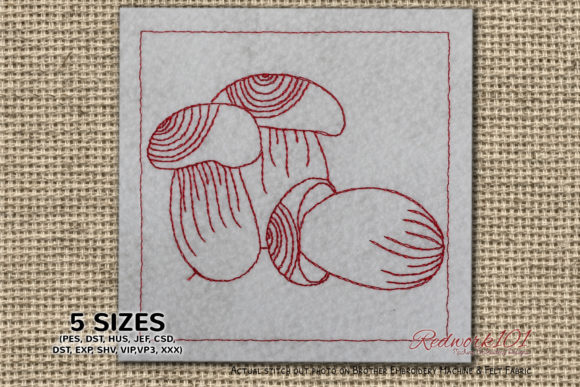
The moment I loaded the Portobello Mushroom file, the immediate impression was one of rustic charm mixed with modern culinary trends. Mushrooms have become a significant motif in home decor and fashion, bridging the gap between cottagecore aesthetics and contemporary foodie culture. This design feels grounded and earthy, making it an ideal candidate for the Food category within Embroidery products.
What stands out initially is the versatility of the motif. It does not scream "novelty" in a cheap way; instead, it offers a decorative quality that appeals to adults looking for unique kitchen accessories or nature-inspired apparel. For a craft fair seller, this is crucial. You need items that appeal to a broad demographic, from young adults buying their first apartment to seasoned home cooks who appreciate artisanal touches. The Portobello Mushroom hits this sweet spot by feeling both trendy and timeless.
Product Applications for Maximum Sales
When preparing my booth display, I always ask: where does this design live best? For this specific motif, I see high potential in several key craft fair product categories.
- Tote Bags and Market Bags: A large-scale placement of the mushroom on a canvas tote creates an instant statement piece. Shoppers love functional art, and a tote bag design featuring earthy tones performs exceptionally well at farmers' markets.
- Aprons and Tea Towels: This is arguably the strongest category for this design. An apron embroidery featuring a portobello mushroom speaks directly to the home chef. Similarly, tea towel embroidery allows for a smaller, repeated pattern or a single focal point near the hem. These are impulse-buy items that add perceived value to a kitchen.
- Embroidered Patches: If the design scales down well, it becomes a fantastic embroidered patch. Patches are low-cost, high-margin items that allow customers to customize their own jackets or bags. They are excellent add-on sales at the checkout counter.
- Caps and Beanies: Placing a small version on the front of a dad hat or beanie taps into the current trend of subtle, nature-inspired streetwear.
For Etsy seller audiences, this design also works beautifully for digital listings. Offering it as a digital embroidery file allows other makers to create their own finished product lines, expanding your revenue stream beyond physical goods.
Production Practicality and Stitch Quality
From a production standpoint, efficiency is key. When I review a design for batch production, I look at stitch density and complexity. The Portobello Mushroom appears to have a balanced structure. However, there are critical technical notes to consider before you hoop up fifty units.
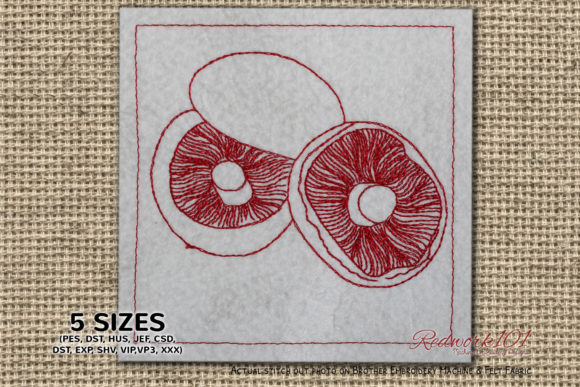
The product description mentions that "The Box Stitch shown in picture is optional." This is a vital detail. In a professional setting, I recommend testing the design with and without the box. Often, an outer box can frame the design nicely for patches, but it may feel restrictive on flowing fabrics like linen aprons. Skipping the color or the box entirely might give the mushroom a more organic, floating appearance, which often sells better on home goods.
Additionally, the note states, "The color of outer Box is different color in most of the designs unless it is part of the design itself, you can skip the color directl." This suggests flexibility in thread colors. As a designer, I advise using this to your advantage. Offer the mushroom in earthy browns and creams for a rustic look, or vibrant greens and reds for a whimsical vibe. Customization is a huge selling point at craft fairs.
Handling Fabric and Stabilizer Challenges
One must consider fabric texture. Mushrooms have organic shapes with curves. If you are stitching on textured towels or thick denim, ensure your stabilizer choice is robust. A cut-away stabilizer is often safer for items that will be washed frequently, like aprons and tea towels, to prevent puckering around the curved edges of the mushroom cap.
Be cautious with dense stitch areas. If the gills of the mushroom are stitched too densely on a thin fabric, it may cause distortion. Always test the design on scrap fabric that matches your final product material. Check the spacing between elements to ensure no thread breaks occur during high-speed machine operation.
Visual Appeal and Customer Engagement
How does Portobello Mushroom perform in terms of visual appeal? In a crowded booth, clarity is king. Customers scan tables quickly. A design that is recognizable from three feet away will stop traffic. This motif, with its distinct cap shape, offers strong silhouette recognition. It photographs well for printable mockup creation and social media posts, which is essential for driving foot traffic to your booth or clicks to your online store.
For small shop product lines, consistency matters. If your brand is focused on botanical or culinary themes, this design strengthens your brand identity. It signals to the buyer that you understand current trends and care about quality. When a customer sees a well-executed mushroom design on a high-quality linen napkin, they perceive higher value, allowing you to price your handmade product accordingly.
Designer Notes for Commercial Success
Before you commit to full production, here is my checklist for ensuring this design succeeds in your commercial embroidery lineup:
- Verify Technical Specs: Since exact stitch count and hoop size are not explicitly detailed in the brief description, you must open the file in your software to confirm it fits your intended hoop. Do not assume it fits a 4x4 hoop if you plan to use it on a large tote.
- Check Licensing: Confirm the commercial licensing terms. Ensure you have the right to sell finished items made with this design assets package.
- Create Real Mockups: Do not rely solely on digital previews. Stitch out one sample on each type of fabric you plan to sell. Compare how the thread sheen interacts with cotton versus linen.
- Optimize Thread Palette: Have a standard colorway ready for quick production, but keep extra bobbins available for custom requests. The ability to change the "optional box" color on the fly can close a sale with a indecisive customer.
- Display Strategy: Group this item with complementary products. Place the mushroom apron next to wooden spoons or artisanal salts. Contextual selling helps customers visualize the product in their own lives.
In conclusion, the Portobello Mushroom is a strong contender for any maker looking to expand their Food-themed or nature-inspired collection. It balances aesthetic appeal with production feasibility. By paying attention to the optional elements and choosing the right fabrics, you can turn this digital file into a staple of your craft fair inventory. Remember, the difference between a good design and a bestseller is often in the execution and the presentation. Treat this design with the care it deserves, and it will likely become a reliable earner for your business.