Easter Egg Home Design Review for Holiday Sellers
As an embroidery designer who spends countless hours digitizing and testing files for seasonal collections, I approach every new machine embroidery design with a critical eye. It is not just about whether the stitches look clean on my test fabric; it is about how that design will perform in the hands of an Etsy seller or a small business owner preparing for the spring rush. Recently, I reviewed the Easter Egg Home Design, and I want to share my practical insights on how this file fits into a profitable holiday product lineup.
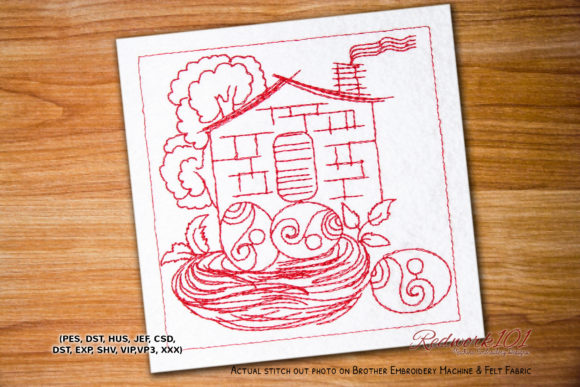
The first impression of the Easter Egg Home Design is one of understated charm. Unlike some overly complex digital files that rely on thousands of tiny satin stitches, this design leans into a cleaner, more modern aesthetic. The central motif combines the traditional symbolism of the egg with the warmth of a home, creating a visual narrative that feels both festive and cozy. For creators targeting customers who appreciate rustic or minimalist decor, this emotional tone is a significant selling point. It avoids the cluttered look of vintage clipart, offering instead a streamlined silhouette that reads well from a distance.
Strategic Product Applications for Spring Sales
When planning a seasonal shop collection, versatility is key. You do not want a design that only works on one type of garment. The Easter Egg Home Design shines because of its adaptability across various fabric textures and product categories. Here is how I envision this embroidery file performing in real-world scenarios:
- Sweatshirt Embroidery: This is perhaps the strongest application. The design’s open areas allow the soft texture of fleece or cotton blends to show through, preventing the "cardboard" feel that dense stitching can cause on heavy garments. It is perfect for limited edition apparel drops or family matching sets.
- Kitchen Towel Embroidery: Spring cleaning and hosting are major themes during this season. Placing this design on the corner of a linen or waffle-weave towel creates an instant handmade gift appeal. However, you must use a cut-away stabilizer to prevent puckering on loose-weave fabrics.
- Tote Bag Design: Canvas totes are staples for spring markets. The bold lines of the home and egg motif hold up well against the rougher texture of canvas, making it a durable choice for everyday carry items.
- Pillow Cover and Home Decor: For those selling home goods, this design translates beautifully to throw pillows. It adds a subtle seasonal touch without being so overtly thematic that the item cannot be used after the holiday passes.
- Embroidered Patch: If you offer iron-on or sew-on patches, this design’s defined borders make it an excellent candidate. Patches are low-risk inventory items that can be added to jackets, hats, or bags as upsells.
Navigating Technical Constraints and Hoop Sizes
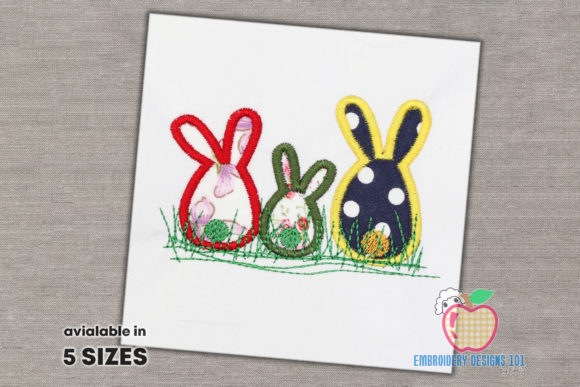
While the aesthetic is strong, technical execution requires attention to detail. One specific note from the product description states: "The Box Stitch shown in picture is optional. The color of outer Box is different color in most of the designs unless it is part of the design itself, you can skip the color directly in." This flexibility is a double-edged sword. On one hand, it allows you to customize the look for different thread colors palettes. On the other hand, it requires you to carefully edit the file in your software if you wish to remove the box entirely or change its hue to match your brand.
For small shop product creators, understanding hoop size limitations is crucial. If you are working with a 4x4 inch hoop, ensure the design scales down without losing legibility. Tiny details in the "home" portion of the design may merge if the scale is too small. I recommend running a test stitch on a scrap piece of your actual production fabric before committing to a full batch. This is especially important for stretchy garments like baby onesies or athletic wear, where improper stabilization can lead to distortion.
Additionally, be cautious when using metallic threads. While they add a premium feel to holiday embroidery, they can break easily if the stitch density is too high or if there are sharp turns in the digitizing. If you choose to use gold or silver thread for the egg outline, slow down your machine speed and use a high-quality polyester or rayon thread for the fill areas to reduce tension issues.
Enhancing Buyer Emotion and Brand Consistency
In the crowded marketplace of digital embroidery file buyers and finished product shoppers, emotional connection drives sales. The Easter Egg Home Design taps into the nostalgia of family gatherings and the renewal of spring. When you feature this design in your printable mockup or social media previews, focus on lifestyle imagery. Show the embroidered sweatshirt being worn during an egg hunt, or the kitchen towel hanging in a sunlit window. These visuals help the buyer imagine the product in their own life, increasing the perceived value.
For commercial embroidery users, consistency is vital. If your brand is known for earthy tones, stick to greens, browns, and soft pastels for this design. If your brand is vibrant and playful, lean into bright yellows, pinks, and blues. The ability to skip the outer box color mentioned in the description allows you to integrate the design seamlessly into existing product lines without clashing borders.
Practical Designer Notes for Success
To ensure your finished product meets professional standards, follow these practical steps before listing your items:
- Test on Light and Dark Fabric: Thread colors look different depending on the background. A pastel yellow egg might disappear on white fabric but pop on navy. Adjust your thread chart accordingly.
- Check Stabilizer Compatibility: Use tear-away stabilizer for stable woven fabrics like cotton twill, but switch to cut-away for knits and towels. This prevents the design from pulling out of shape after washing.
- Review Small Details: After stitching your test piece, inspect the junctions where the egg meets the home outline. Look for jumps or loose threads that need trimming. Clean finishing builds customer trust.
- Confirm Licensing: Always verify the license terms provided with the embroidery file. Ensure you have the right to sell finished physical products if you are not just selling the digital file itself.
- Create Realistic Mockups: Avoid flat, sterile images. Use natural lighting and props like dried flowers or wooden baskets to enhance the rustic, cozy vibe of the design.
The Easter Egg Home Design is a solid addition to any spring catalog. It balances tradition with modern simplicity, offering enough flexibility for creative customization while maintaining a clear seasonal identity. By paying attention to technical details like stabilizer choice and thread selection, you can transform this digital asset into a best-selling personalized gift or home decor item. Whether you are an experienced Etsy seller or a newcomer to seasonal embroidery, this design provides a reliable foundation for creating products that resonate with holiday shoppers.