Cocktail Shaker Embroidery Design Review
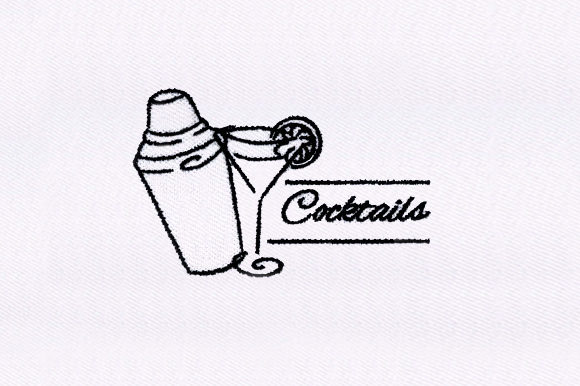
As an embroidery designer who has spent countless weekends behind a craft fair table, I have learned that the difference between a browser and a buyer often comes down to immediate visual recognition. When I first loaded the Cocktail Shaker machine embroidery design into my software, my initial reaction was one of relief. In a market saturated with overly complex, multi-colored motifs, this design offers a refreshing simplicity. It is a simple line and monochromatic pattern, which makes it incredibly versatile for your next embroidery project. For those of us running small shop products or Etsy stores, versatility is not just a nice-to-have feature; it is a financial necessity.
First Impressions: Minimalism Meets Modern Barware
The aesthetic of the Cocktail Shaker design leans heavily into the modern minimal trend. It does not scream for attention with neon threads or dense satin stitches. Instead, it whispers sophistication. This is crucial for contemporary home decor and kitchen accessories. The line work is clean, suggesting a vibe that is both elegant and slightly playful. It fits seamlessly into the "farmhouse chic" or "modern rustic" categories that dominate current handmade markets. Because it is monochromatic, it avoids the dating effect that specific color trends might impose on your inventory. Whether you are targeting a Wine enthusiast or a general cocktail lover, the imagery is universally understood.
Product Applications for Maximum Sales
When preparing for a weekend craft fair, I always look for designs that can be applied across multiple product types without losing their integrity. Here is how I see the Cocktail Shaker embroidery file performing in a real-world booth setting:
- Tote Bag Design: This is perhaps the strongest application. A large-scale placement on a canvas tote creates an instant statement piece. The simple lines read well from a distance, catching the eye of shoppers walking down the aisle.
- Apron Embroidery: Kitchen textiles are perennial bestsellers. Placing this design on the bib of a linen or cotton apron adds a professional, boutique touch. It appeals directly to home cooks and entertainers.
- Tea Towel Embroidery: For tea towels, scale is key. The design works beautifully as a corner accent or a central focal point. However, you must consider the fabric texture. Loosely woven towels may require a cut-away stabilizer to prevent puckering around the stitch lines.
- Embroidered Patch: If you offer custom patches, this design is ideal. Its closed shapes and clear outlines make it durable and easy to iron or sew onto denim jackets, backpacks, or caps.
- Caps and Headwear: Curved surfaces are tricky. The Cocktail Shaker design, being relatively flat and linear, adapts well to the front panel of a dad hat or trucker cap, provided you use the correct hoop size and stabilizer combination.
Production Efficiency and Batch Selling
For the commercial embroidery producer, time is money. The description notes that this is a simple line pattern. In practice, this usually translates to lower stitch density compared to filled motifs. Lower stitch density means faster run times, which allows you to produce more finished products in less time. This is vital for meeting the demands of an Etsy seller during peak seasons like holidays or wedding seasons.
Furthermore, the monochromatic nature of the design eliminates the need for frequent thread changes. You can run a batch of twenty tote bags in a single color thread without stopping to re-thread your machine. This efficiency directly impacts your profit margin. When you are creating design assets for digital sale, this ease of use is also a major selling point for your customers, who may be beginners looking for forgiving files.
Visual Appeal and Customer Engagement
How does Cocktail Shaker affect buyer engagement? It serves as a conversation starter. At a craft fair, I would place this design on a neutral-colored item, such as a natural linen pillow cover or a white market bag. The contrast draws the eye. It feels premium because it is understated. Overly busy designs can sometimes look cheap if not executed perfectly, but a simple line design looks intentional and high-end even with minor imperfections.
For online listings, this design photographs exceptionally well. It does not create harsh shadows or glare that complex satin stitches might. This makes creating a printable mockup for your social media or website straightforward. The clarity of the lines ensures that even in thumbnail images on mobile devices, the subject matter is instantly recognizable.
Practical Designer Notes and Careful Use
While the design is user-friendly, there are technical considerations to keep in mind before you start stitching your inventory. Always test the design on scrap fabric first. This is non-negotiable. You need to check how the thread colors interact with your chosen fabric. On dark fabric, you may need to use a heavier weight thread or a underlay stitch to ensure the lines pop.
Pay close attention to the stabilizer. For textured towels or thick fabrics like denim, a strong cut-away stabilizer is recommended to support the stitches. For lighter fabrics like cotton tote bags, a tear-away might suffice, but test for puckering. If the design includes any tiny details or small lettering, ensure they do not get lost when scaled down. If you plan to use this as a small accent on a pouch, verify that the lines remain distinct and do not merge together.
Regarding the technical specifications, the product description mentions it comes with "mu," which likely refers to multiple formats or a specific file type inclusion. However, since exact stitch count, file format, and hoop size are not explicitly detailed in the provided text, you must check these details in the actual download package before production. Confirm the commercial licensing terms as well. As a digital embroidery file seller or a creator of handmade goods, ensuring you have the right to sell the finished product is critical for your business legality.
Final Verdict for Craft Fair Sellers
The Cocktail Shaker embroidery design is a solid addition to any designer’s library. It bridges the gap between niche interest (cocktails and Wine culture) and broad appeal (kitchen and home decor). Its strength lies in its adaptability. It works as a standalone statement on a tote or as part of a larger collection of barware-themed items. For the creative entrepreneur, it offers a low-risk, high-reward option for expanding product lines. By focusing on high-quality fabrics and precise stitching, you can elevate this simple design into a premium handmade product that stands out in a crowded marketplace.
Remember, the success of this design in your booth will depend on presentation. Pair it with complementary items, such as glassware or bar tools, to create a lifestyle vignette. This context helps customers visualize the product in their own homes, increasing the likelihood of a sale. With proper testing and strategic placement, the Cocktail Shaker design can become a staple in your seasonal offerings.